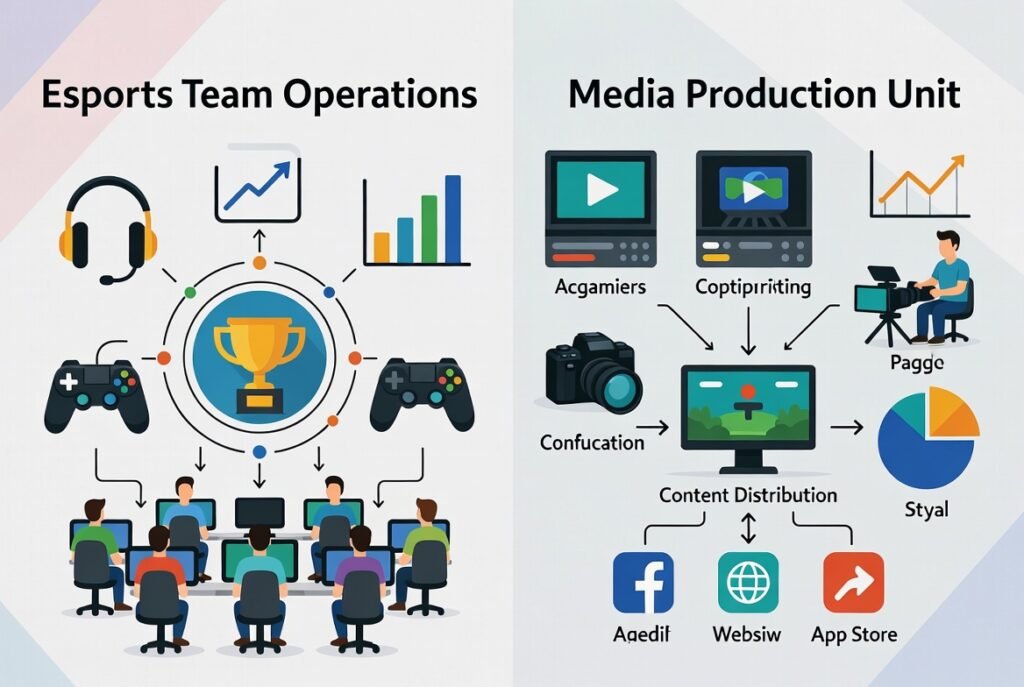

Defining Esports News Dualmedia
Esports news dualmedia represents a convergence of traditional media and digital platforms, specifically focusing on the realm of competitive gaming. In this context, dualmedia encompasses various formats and channels through which information regarding esports is disseminated, providing a more holistic view of the gaming landscape. This integration is significant as it caters to an audience that increasingly seeks diverse forms of content.
At its core, esports news dualmedia includes online articles published on gaming websites and news portals, offering in-depth analysis and reporting on events, tournaments, and player performances. Furthermore, video content serves as a crucial component, with platforms like YouTube and Twitch becoming popular sources for live broadcasts, highlight reels, and expert commentary. These mediums not only attract viewers but also foster engagement and community interaction around various esports scenes.
Additionally, podcasts have emerged as an important vehicle for delivering esports news, with many fans opting for audio content as part of their daily routines. These podcasts often feature interviews, discussions, and expert insights into current events and trends within the esports industry. Social media platforms also play a vital role in this dualmedia approach; updates and announcements are instantly available to followers, facilitating real-time engagement and interaction.
As the terrain of esports journalism evolves, the dualmedia framework becomes increasingly relevant. It allows for a comprehensive approach to coverage that appeals to varying preferences and consumption habits of the audience. By leveraging multiple media forms, esports news dualmedia not only enhances the accessibility of information but also enriches the overall experience for both seasoned fans and newcomers, thereby shaping the future of esports reporting.
The Evolution of Esports News Coverage
The coverage of esports has undergone a significant evolution, evolving from its nascent stages in the early days of competitive gaming to the rich, multifaceted landscape we recognize today. The origins of esports can be traced back to the 1970s and 1980s with events featuring games like Space Invaders and Pac-Man. These early competitions laid the groundwork for what would become a global phenomenon. However, dedicated esports news coverage began to take shape in the late 1990s and early 2000s, coinciding with the rise of popular titles such as StarCraft and Counter-Strike.
As gaming tournaments gained traction, so did the interest of various media outlets. The launch of websites specifically catering to esports news dualmedia played a critical role in consolidating coverage. Platforms such as Team Liquid and ESL focused on providing live updates, match analyses, and player interviews, effectively acting as the first dedicated sources of esports journalism. These platforms not only offered insights into competitive play but also fostered a sense of community among fans. The introduction of major tournaments like The International and League of Legends World Championship further solidified the need for comprehensive coverage, elevating esports to new heights of visibility.
In recent years, the advent of streaming services and social media has transformed how esports news is disseminated. Real-time updates are now accessible through platforms like Twitch, YouTube, and Twitter, creating an interactive experience for fans. This digital transformation has allowed journalists to engage with audiences in novel ways, increasing community interaction and contributing to the rapid expansion of the esports community. The amalgamation of these elements highlights the intricate evolution in esports news coverage, which continues to adapt as new technologies and interests emerge.
The Impact of Dualmedia on Esports Reporting
The advent of dualmedia has significantly transformed the landscape of esports reporting, redefining how information about competitive gaming is disseminated and consumed. Dualmedia refers to the use of multiple platforms, including digital media and traditional outlets, to deliver comprehensive coverage of esports events. This approach has enhanced accessibility, allowing fans to receive real-time updates and engage with diverse content formats that include videos, podcasts, and live streams. As a result, esports news dualmedia offers a more immersive experience, catering to the varied preferences of audiences worldwide.
One of the primary benefits of this dualmedia approach is the ability to reach a global audience instantaneously. Unlike traditional media, which is often limited by geographic boundaries, dualmedia channels allow for immediate reporting on esports tournaments regardless of their location. This immediacy caters to the fast-paced nature of the gaming scene, with fans eager for prompt access to match results, player interviews, and expert analyses. Furthermore, the integration of different content forms enables fans to engage with the material in whatever way suits them best, enhancing their overall experience.
However, the dualmedia approach does present challenges. One notable concern is the potential for information overload. With numerous sources providing updates and analyses, fans may find it difficult to filter through the vast amounts of content available. This overwhelming influx of information can dilute the most pertinent esports news dualmedia has to offer. Additionally, the evolving nature of esports makes it imperative for consumers to discern credible sources from less reliable ones. As the industry continues to grow, maintaining journalistic integrity while navigating the complexities of dualmedia remains a critical challenge for esports reporters.
Future Trends: Where is Esports News Dualmedia Heading?
The rapidly evolving landscape of competitive gaming and the rise of esports news dualmedia indicate a dynamic future filled with opportunities and challenges for media outlets. As technology continues to advance at an unprecedented pace, we can anticipate significant changes in how esports events are covered, presented, and consumed by audiences worldwide. Live streaming, augmented reality (AR), and virtual reality (VR) are just a few examples of innovations set to redefine engagement and interactivity for viewers in the coming years.
Furthermore, we can expect to witness shifts in viewer habits as gaming becomes increasingly integrated into mainstream culture. The younger demographic’s affinity for digital content suggests a demand for more personalized and interactive news formats. Esports news platforms may evolve to cater to these preferences, offering bite-sized content, highlights, and behind-the-scenes coverage that resonates with fans. As a result, dualmedia formats, which merge video content with written articles and social media interactions, will likely become more prevalent.
The role of journalists in the esports arena is also poised for transformation. As the industry matures, professionals will need to broaden their skill sets, including proficiency in multimedia storytelling, data analysis, and community engagement. Journalists will not only report on events but will also serve as curators of content, shaping narratives that resonate with players and fans alike. Networking with esports personalities and fostering relationships within the community will be essential for staying relevant and trusted.
To thrive in this competitive environment, media outlets and content creators must remain adaptable. By embracing new technologies and trends, they will be well-equipped to meet the expectations of the ever-evolving audience, ensuring that esports news dualmedia continues to be a vital source of information and commentary in the gaming world. In conclusion, the future of esports news dualmedia is bright, driven by technological innovation and a deeper understanding of viewer engagement.


